Tag Archive for: Roof Replacement

Hurricanes can turn a stable home or business into an emergency within hours. High winds, torrential rain, storm surge, flooding, tornadoes, fallen trees, roof damage, and prolonged power outages can create multiple problems at once. Knowing what to do before, during, and after Hurricane Isaias can help you protect people, limit additional damage, and begin recovery as quickly as possible.

hurricane isaias damage recovery local services with national resources

New Image Roofing Atlanta gathered information about Hurricane Isaias, current storm conditions, potential impacts across Florida, Georgia, Alabama, Mississippi, and Tennessee, emergency resources, and steps property owners should take when storm damage occurs. Because conditions can change rapidly, residents should always follow instructions from local emergency management officials and the National Weather Service.

Hurricane Isaias – What Is Currently Known
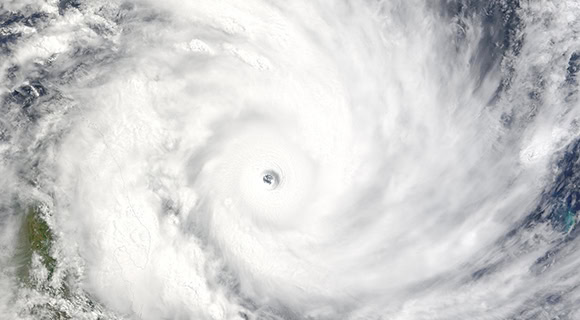
aerial view hurricane isaias damage recovery

As of 1:00 PM CDT on October 8, 2026, Hurricane Isaias was a Category 1 hurricane with maximum sustained winds of approximately 85 mph, higher gusts, and a minimum central pressure of 975 mb. The storm was moving east-northeast at 10 mph +/- and was about 355 miles south of the mouth of the Mississippi River. The National Hurricane Center expects Isaias to strengthen further before reaching the northern Gulf Coast. (National Hurricane Center)

The current forecast calls for Isaias to turn northeast, then north on Friday, with landfall along the northern Gulf Coast expected late Friday or early Saturday. The National Hurricane Center’s forecast places the storm near the northern Gulf Coast before moving inland through the Southeast.

Current hazards include:

  • Life-threatening storm surge
  • Hurricane-force winds
  • Tropical-storm-force winds well inland
  • Heavy rainfall
  • Flash and urban flooding
  • River flooding
  • Downed trees and power lines
  • Tornadoes
  • Extended power outages
  • Structural and roof damage

The National Hurricane Center currently projects an approximate 5- to 7-foot storm surge in areas from Ocean Springs, Mississippi, to Indian Pass, Florida, with additional surge impacts farther east. Rainfall totals of 3 to 7 inches are expected across the central Gulf Coast, with localized totals potentially reaching 15 inches, particularly across parts of the Florida Panhandle and Big Bend.

The storm’s effects will extend beyond the immediate coastline. The National Hurricane Center expects 1 to 3 inches of rain across parts of the Southeast – up to the Tennessee Valley and Carolinas. Tornadoes are also possible across Alabama, the Florida Panhandle, Georgia, and northern Florida.
Potential Impact Across Florida, Georgia, Alabama, Mississippi and Tennessee

Florida
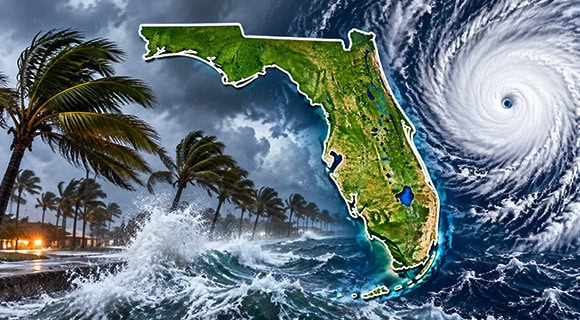
hurricane isaias damage recovery Florida

Florida’s Gulf Coast and Panhandle face some of the most immediate risks from Isaias. Hurricane and storm surge warnings are currently in effect across portions of the northern Gulf Coast. Coastal residents should follow evacuation orders, particularly in areas vulnerable to storm surge.

The Florida Division of Emergency Management provides evacuation information, hurricane safety guidance, emergency preparation information, and disaster updates. During an emergency, Florida’s State Assistance Information Line, or SAIL, can be reached at 1-800-342-3557 when activated. (Florida Disaster)

Florida Division of Emergency Management – Hurricane Information

Georgia
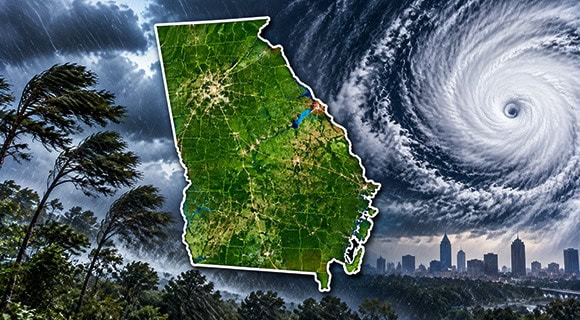
hurricane isaias damage recovery Georgia

Georgia may not experience a direct Gulf Coast landfall, but it can still experience significant impacts as Isaias moves inland. The National Weather Service’s Peachtree City office reports that portions of North and Central Georgia could experience heavy rainfall, localized flooding, gusty winds, power outages, and tornadoes. A Tropical Storm Watch has been issued for portions of west-central Georgia, with potential wind gusts of 40 to 50 mph in those areas. (National Hurricane Center)

Georgia has also issued a statewide state of emergency in preparation for the storm. Residents should monitor local warnings, secure outdoor property, and be prepared for possible power outages and flooding.

Georgia Emergency Management and Homeland Security Agency – Hurricanes

Alabama
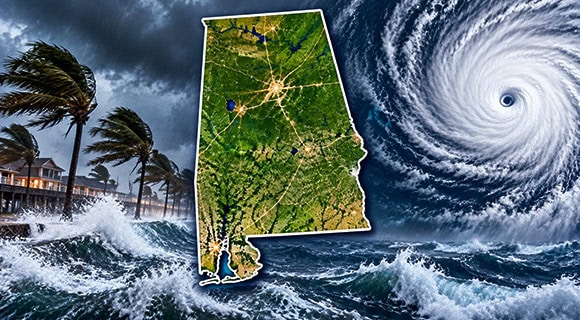
hurricane isaias damage recovery alabama

Alabama is expected to experience substantial impacts from Isaias. The Alabama Emergency Management Agency reports that a hurricane warning is in effect for Mobile and Baldwin counties, with additional watches farther inland. The current forecast calls for landfall between Biloxi, Mississippi, and Panama City, Florida, followed by a track through western Alabama or eastern Mississippi.

Alabama could experience significant rainfall, tornadoes, and strong winds. The Alabama EMA reports that some southern portions of the state could experience wind gusts over 80 mph. These winds could result in downed trees and power outages.

Alabama Emergency Management Agency – Hurricane Isaias Updates

Mississippi
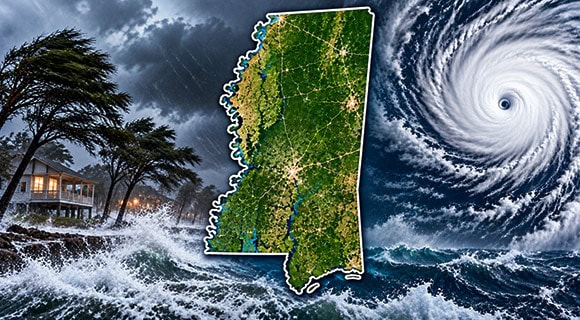
hurricane isaias damage recovery mississippi

Mississippi is directly exposed to Isaias as the storm approaches the northern Gulf Coast. The Mississippi Emergency Management Agency is coordinating with local emergency managers and state response partners while encouraging residents to prepare before conditions deteriorate.

MEMA recommends having at least three days of food and water, charging electronic devices, securing loose outdoor property, understanding flood risks, preparing an evacuation plan, and maintaining multiple ways to receive emergency information.

Mississippi Emergency Management Agency – Hurricane Isaias Information

MEMA’s 24-hour emergency line is 1-800-222-MEMA (6362). (Mississippi Emergency Management Agency)

Tennessee
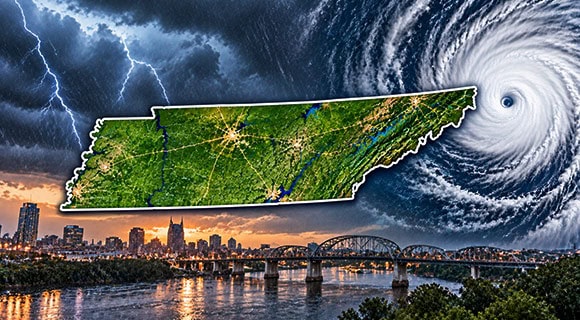
hurricane isaias damage recovery tennessee

Tennessee is farther inland, but Hurricane Isaias is expected to continue northward after landfall. The National Hurricane Center’s forecast indicates the storm could reach the Tennessee Valley with additional rainfall and flooding concerns.

Tennessee Emergency Management Authority provides active disaster information, recovery resources, FEMA assistance information, flood resources, and links to Ready Tennessee. TEMA can be reached at 615-741-0001. (Tennessee State Government)

Tennessee Emergency Management Authority – Active Disasters and Emergencies

What To Do After Hurricane Isaias Causes Property Damage

hurricane isaias severe home and land damage recovery

Once conditions are safe, property owners should approach storm damage methodically. Do not enter a damaged structure if officials have declared it unsafe, and stay away from downed power lines.

1. Document the Damage

Take photographs and videos from safe locations. Document:

  • Missing or damaged shingles
  • Damaged flashing
  • Roof penetrations
  • Broken windows and doors
  • Fallen trees
  • Damaged siding
  • Water intrusion
  • Damaged gutters
  • Structural damage
  • Interior ceiling and wall damage
  • Damaged electrical equipment

Documentation can help establish the extent of damage for insurance and repair purposes.

2. Contact Your Insurance Company

Notify your insurance carrier as soon as practical. Ask about the claims process, inspection requirements, and emergency measures you are authorized to take.

Keep receipts for reasonable emergency expenses and maintain copies of photographs, inspection reports, and correspondence.

3. Protect the Property From Additional Damage

Storm damage often becomes more expensive when water continues entering through a compromised roof. Emergency tarping or other temporary measures help limit additional water intrusion until permanent repairs can be completed.

Do not climb onto a damaged roof yourself. Roofing surfaces can be unstable after high winds, debris impacts, and water intrusion.

New Image Roofing Florida and New Image Roofing Atlanta provide emergency tarping, storm-damage roofing services, residential and commercial roof inspections, repair, and replacement. (newimageroofingfl.com)

Watch this video to see how New Image Roofing Atlanta can help you recover from severe home damage.


4. Address Fallen or Dangerous Trees

A fallen tree can create several hazards. It may damage a roof, puncture walls, block driveways, damage vehicles, or create an electrical hazard.

Don’t attempt to cut a large storm-damaged tree yourself. New Image Tree Solutions provides emergency tree services for fallen trees, hazardous limbs, and storm-damaged trees and can help coordinate the tree-related portion of recovery. (New Image Tree Solutions)

5. Have Structural Damage Professionally Evaluated

A storm can cause water intrusion, compromised framing, exterior wall damage, and damage to windows, doors, and building components that need further evaluation.

Addressing damage quickly can help prevent secondary problems like prolonged moisture intrusion, mold, deterioration, and additional structural damage.

One Call and Done 404-680-0041

Hurricane recovery gets complicated when homeowners coordinate multiple contractors for electrical, fallen trees, roofing damage, and building repairs. That is why New Image Line Solutions, New Image Roofing Atlanta, New Image Roofing Florida, New Image Tree Solutions, and D&D Village Construction come together as a complete local recovery team with national resources.
hurricane isaias power line damage recovery

New Image Line Solutions specializes in electrical contracting, power distribution, transmission, emergency trouble services, and storm restoration. Its storm restoration services include emergency power restoration, assessment and repair of storm-damaged electrical infrastructure.

hurricane isaias damage recovery new image roofing atlanta

New Image Roofing Atlanta provides residential and commercial roofing services, including inspections, emergency repairs, roof repairs, and replacements.
hurricane isaias damage recovery new image roofing florida

New Image Roofing Florida provides Central Florida residential and commercial roofing services and emergency storm-damage assistance, including temporary tarping designed to reduce additional water intrusion.

hurricane isaias damage recovery new image tree solutions

New Image Tree Solutions provides emergency tree removal and storm-damage tree services, including hazardous tree and limb removal when threatening homes and businesses.
hurricane isaias damage recovery dd village construction

D&D Village Construction serves The Villages and surrounding Central Florida communities with home additions, remodeling, lanais, golf cart garages, windows, doors, and outdoor living improvements. The company is licensed and insured and works within Florida requirements.

Together, these companies provide access to multiple specialized areas that can become necessary during storm recovery. A damaged property may require an electrician, tree service, roofing contractor, and construction professional rather than a single trade. Coordinating those needs through one recovery team makes the process more manageable for homeowners, businesses, and property managers.

For storm damage assistance, call 404-680-0041.

Federal and National Emergency Resources

State and local agencies should remain the primary source for evacuation orders, road closures, shelter information, and immediate emergency instructions. Additional resources may also be useful during recovery.
hurricane isaias damage recovery FEMA

FEMA: FEMA’s Disaster Recovery Center Locator helps residents find disaster recovery centers, apply for assistance, and obtain information about available federal programs. FEMA’s assistance phone number is 1-800-621-3362.

FEMA Disaster Recovery Center Locator

American Red Cross: The American Red Cross is preparing shelters, supplies, trained disaster personnel, and relief resources for Hurricane Isaias. They can be reached at 1-800-733-2767.
American Red Cross hurricane isaias damage recovery

American Red Cross – Hurricane Isaias Response

American Red Cross – Find Open Shelters

For immediate life-threatening emergencies, call 911. Never approach a downed power line, enter a structurally compromised building, or drive through floodwater.

Hurricane Isaias Recovery Starts With Preparation

Hurricane Isaias is a rapidly developing storm, and its eventual impacts will depend on its final track, intensity, and interaction with other weather systems. As of October 8, the greatest immediate threats include storm surge and hurricane-force winds along portions of the northern Gulf Coast, followed by heavy rain, flooding, strong winds and tornado potential farther inland.

Property owners should not wait until damage occurs to identify emergency contacts. Know how to reach local emergency management, understand evacuation instructions, secure property when conditions allow, and have a plan for addressing roof, tree, electrical, and structural damage.

After the storm passes, safety comes first. Document damage, contact your insurance company, protect vulnerable areas from additional damage, and use qualified professionals for repairs. Having the right team available can make a significant difference when multiple types of storm damage occur at the same property.

If Hurricane Isaias damages your home, business, or property, call 404-680-0041. New Image Line Solutions, New Image Roofing Atlanta, New Image Roofing Florida, New Image Tree Solutions, and D&D Village Construction can work together to help coordinate the recovery process with local expertise and national resources.

Sources and Emergency References: National Hurricane Center; Florida Division of Emergency Management; Georgia Emergency Management and Homeland Security Agency; Alabama Emergency Management Agency; Mississippi Emergency Management Agency; Tennessee Emergency Management Authority; FEMA; American Red Cross.

  New Image Roofing Atlanta
 

    2020 Howell Mill Rd NW Suite 232
    Atlanta, GA 30318
    (404) 680-0041
 

Choosing a commercial roof can become confusing when two popular membrane systems appear to offer similar benefits. TPO and PVC both provide durable single-ply protection. However, differences in chemistry, chemical resistance, installation, cost, and application can affect which system is best for your building. Understanding those differences can help you avoid an expensive mismatch and select a membrane suited to your property.

tpo vs pvc durolast roof differences

New Image Roofing Atlanta gathered information about TPO and PVC roofing to help commercial property owners, facility managers, and building decision-makers compare these two systems. This guide explains where TPO performs well, why PVC – particularly Duro-Last – is desirable for demanding commercial and industrial applications, and why qualified installation and maintenance support matters for long-term roof performance.

Key Takeaways for Differences Between TPO and PVC Roofing

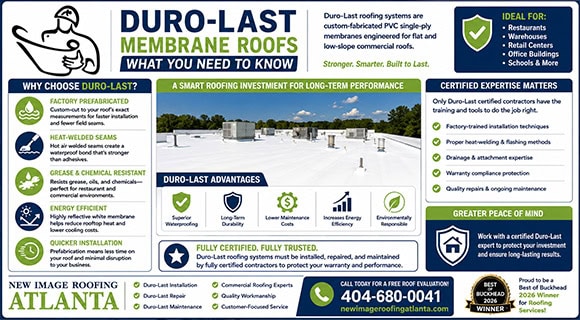
tpo vs pvc durolast roof differences infographic

TPO and PVC are both thermoplastic single-ply membranes designed primarily for commercial low-slope and flat roofing systems. Both can use heat-welded seams, creating strong, watertight connections when properly installed. Both are available in reflective colors, including white, which can help limit heat absorption and support energy efficiency during hot weather. However, similar construction does not mean these membranes are interchangeable for every building.

TPO, short for thermoplastic polyolefin, has become a popular choice because it combines performance with a competitive installed cost. It offers flexibility, resistance to ultraviolet exposure, heat, weathering, and fungal growth, while heat-welded seams provide strong connections. TPO can be a practical selection for warehouses, office buildings, retail properties, schools, manufacturing facilities, and other commercial structures that need general-purpose low-slope protection. It can also make sense when project budget, installation speed, and broad commercial performance are major considerations.

PVC, short for polyvinyl chloride, offers many similar benefits while providing additional resistance to certain chemicals and demanding environmental conditions. PVC can be especially useful where roof exposure includes grease, oils, industrial chemicals, or other substances that may challenge another membrane. Its heat-welded seams create a continuous watertight surface, and its resistance to weathering and ultraviolet exposure makes it attractive for long-term commercial use.

Duro-Last takes PVC roofing a step further with custom-fabricated systems. Many components can be prepared in a controlled manufacturing environment before going to a jobsite, helping reduce field seams and installation variables. Duro-Last systems are designed for flat and low-slope applications and are used across commercial and industrial facilities.

The most important takeaway is that neither membrane automatically wins every project. A qualified roofing professional should evaluate roof slope, drainage, existing materials, insulation, rooftop equipment, foot traffic, chemical exposure, wind requirements, building use, budget, and long-term maintenance expectations before recommending TPO or PVC.

What Is TPO Roofing?

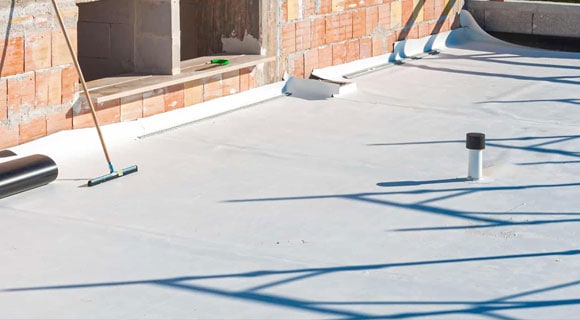
tpo vs pvc durolast roof differences installation

TPO is a single-ply thermoplastic membrane made from a blend designed to provide flexibility and resistance to environmental exposure. Roofing crews commonly install TPO over commercial buildings with low-slope or nearly flat roof configurations. Systems may be mechanically attached or adhered, depending on project design.

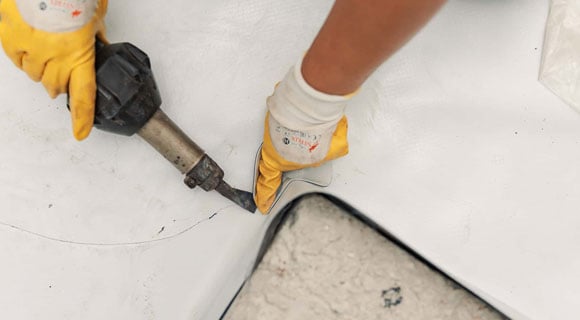
tpo vs pvc durolast roof differences repair

TPO provides excellent resistance to sunlight and heat, making it well suited for Georgia’s hot summers and changing weather conditions. White TPO can reflect substantial solar radiation, which may help reduce rooftop heat gain.

TPO is most appropriate when a building needs a reliable commercial membrane that balances performance and project cost. Warehouses, retail buildings, offices, schools, and general manufacturing facilities can be good candidates. It can also be considered for roof replacement or recovery projects when existing conditions support a membrane installation.

What Is PVC – Duro-Last Roofing?

New Image Roofing offers durable, energy-efficient membrane roofs in Atlanta.

PVC roofing is another thermoplastic single-ply system. Duro-Last is a well-known PVC roofing manufacturer specializing in custom-fabricated commercial roofing systems. Duro-Last describes its flagship PVC membrane as highly reflective, durable, resistant to multiple chemicals, and suitable for flat and low-slope applications.

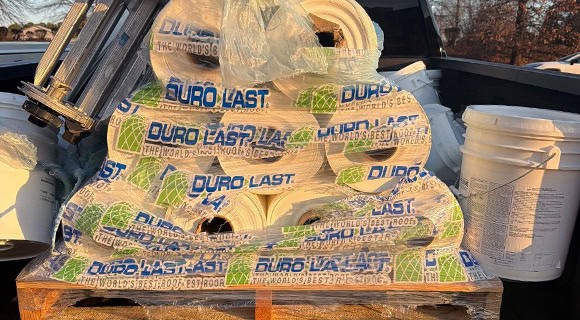
What makes Duro-Last particularly desirable is its custom fabrication approach. Measurements and details can be prepared before materials arrive, which reduces the amount of field fabrication required. Factory-welded components can also reduce field seams and help simplify installation.

tpo vs pvc durolast roof differences material transportation

PVC can be a strong choice for restaurants, food-service buildings, manufacturing facilities, warehouses, industrial properties, and other structures where chemical exposure or demanding rooftop conditions are concerns. Grease, oils, and some chemicals severely damage roofing membranes, so PVC’s chemical resistance can be an important selection factor.

Another advantage is seam integrity. Heat welding can create durable membrane connections, helping form a watertight roof assembly. Duro-Last also provides specialized support through its authorized contractor network.

Installers and maintenance crews working on Duro-Last systems should be Duro-Last authorized and trained. This matters because membrane installation, seam welding, flashing, detailing, inspections, and warranty-related maintenance require system-specific knowledge. Duro-Last recommends authorized contractors for maintenance and identifies inspection requirements tied to certain warranties.

New Image Roofing Atlanta Roof Maintenance Solutions

maintenance solutions tpo vs pvc durolast roof differences

A commercial roof should not be a set-it-and-forget-it asset. Preventive maintenance can detect membrane problems, drainage issues, debris, punctures, flashing concerns, and rooftop damage before those conditions become larger repair projects.

Duro-Last recommends routine inspections and maintenance, including at least two visual inspections each year, with additional attention after storms, hail, high winds, construction activity, or other events that could affect a roof.

New Image Roofing Atlanta provides commercial roof maintenance solutions designed to help building owners protect long-term roofing investments. This approach can include scheduled inspections, documentation, minor repairs, drainage checks, membrane condition reviews, and attention to rooftop penetrations and equipment.

New Image Roofing Atlanta is also one of fewer than a dozen certified Duro-Last roofing contractors in Georgia, according to its Duro-Last service page. That distinction can be especially valuable for commercial owners who want a contractor familiar with Duro-Last installation, repair, and maintenance requirements.

Routine professional care can extend useful service life, help protect warranty requirements, and reduce the chance that a small defect becomes an interior leak or major business interruption.

Hire New Image Roofing Atlanta 404-680-0041

best of buckhead tpo vs pvc durolast roof differences

Choosing between TPO and PVC is only one part of a successful commercial roofing project. The contractor responsible for inspection, design, installation, repair, and maintenance also impacts long-term results.

New Image Roofing Atlanta serves residential and commercial customers throughout Metro Atlanta, providing commercial roofing services like TPO, PVC, EPDM, modified bitumen, and built-up roofing systems. The company also offers commercial inspections and estimates.

New Image Roofing Atlanta also earned recognition as a “Best of Buckhead” 2026 Winner in Roofing Services because of its commitment to quality workmanship, customer service, and professional roofing expertise after hundreds of nominations and thousands of votes.

bbb accredited roofer tpo vs pvc durolast roof differences

New Image Roofing Atlanta is an accredited A+ Rated roofing contractor.

For a commercial roof inspection, repair assessment, maintenance discussion, or replacement estimate, call New Image Roofing Atlanta at 404-680-0041.

Commercial and Industrial TPO or PVC Roofing Systems

Understanding TPO and PVC makes it easier to see why both membranes have an important place in commercial roofing. TPO offers a strong combination of flexibility, weather resistance, heat-welded seams, and cost-conscious performance. PVC – particularly Duro-Last – provides additional chemical resistance, custom fabrication, and specialized performance for demanding commercial and industrial environments.

Selecting the right membrane and partnering with a qualified contractor can produce a more dependable roof, better maintenance planning, fewer unexpected repairs, and greater confidence in long-term building protection. A professional evaluation can match membrane selection with actual rooftop conditions rather than relying on a one-size-fits-all recommendation.

Ignoring membrane differences or delaying maintenance can produce the opposite result. Poor material selection, improper installation, missed maintenance issues, or unqualified repairs can contribute to leaks, premature membrane deterioration, interior damage, operational disruption, and unnecessary replacement costs.

  New Image Roofing Atlanta
 

    2020 Howell Mill Rd NW Suite 232
    Atlanta, GA 30318
    (404) 680-0041
 

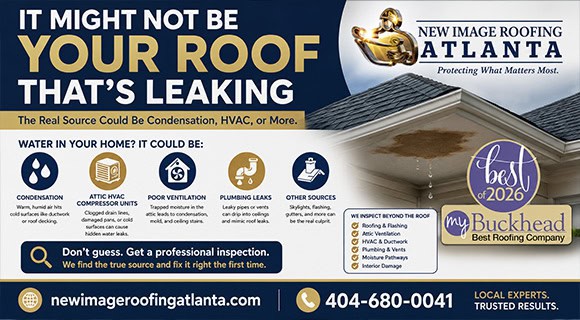
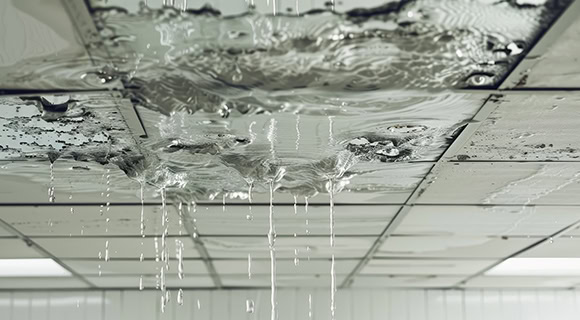
A water stain on your ceiling can trigger immediate panic. You may assume you need a costly roof repair or replacement, but water inside your home does not always come through your roof. Condensation, HVAC equipment, plumbing, flashing, and ventilation problems can look like a roof leak. Knowing how to distinguish these problems can help you avoid unnecessary repairs and identify the real source before additional damage occurs.

what problems mimic roof leaks

New Image Roofing Atlanta gathered essential information on how condensation and other moisture sources can appear to be roof leaks, including situations involving attic-based HVAC compressor units, ductwork, plumbing, ventilation, and temperature changes. Understanding these possibilities can help homeowners recognize why water appears in unexpected places and why a professional inspection should be thorough when searching for a leak.

Key Takeaways for Water Damage Imitating a Roof Leak

what problems mimic roof leaks infographic

A ceiling stain does not automatically mean your roof has failed. Water can travel through building materials before becoming visible, which increases the difficulty when locating the original source. A stain appearing several feet away from a roof penetration may have started somewhere completely different.

Condensation represents one frequently overlooked cause. Warm, humid air can come in contact with a cold surface and produce water droplets. During certain weather conditions, attic temperatures can change significantly while HVAC equipment may create additional temperature differences. If condensation accumulates faster than ventilation can remove moisture, droplets may eventually fall onto insulation, framing, drywall, or other building components.

Attic-based HVAC compressor units deserve particular attention. Depending on system design and equipment placement, condensation from HVAC equipment can collect around drain pans, condensate lines, coils, fittings, or nearby ductwork. A clogged condensate drain can cause water to overflow. A damaged drain pan can produce similar symptoms. Cold duct surfaces can also collect moisture when humid attic air comes in contact with them.

Other potential sources include plumbing vents, bathroom exhaust fans, poorly insulated ductwork, skylights, chimneys, flashing, and exterior wall penetrations. Water entering through one location can travel along rafters, trusses, insulation, or ceiling framing before appearing inside a room.

The timing of a leak can provide useful clues. If water appears only after heavy rain, a roofing problem becomes more likely. If moisture appears during hot, humid weather even without rainfall, condensation or HVAC-related moisture deserves consideration. However, timing alone cannot establish a diagnosis.

Homeowners should avoid cutting into ceilings or removing roofing materials to locate a suspected leak. A professional inspection can trace moisture patterns while examining roofing materials, attic conditions, ventilation, flashing, HVAC components, and other potential sources.

Preventive maintenance also plays an important role. Regular inspections can identify deteriorated flashing, blocked drainage, inadequate attic ventilation, damaged sealants, and moisture accumulation before these conditions produce visible interior damage.

The most important takeaway is simple: water damage displays where moisture became visible, not necessarily where moisture originated. Finding the actual source prevents unnecessary repairs, allowing the correct problem to receive attention.

How Condensation Can Imitate a Roof Leak

what problems mimic commercial roof leaks

Condensation occurs when warm air encounters a surface cold enough to cause moisture in the air to turn into liquid water.

Atlanta’s humid climate can make this problem more noticeable, particularly during periods when warm outdoor air penetrates attic spaces and reaches cooler surfaces.

Several situations can create roof leak symptoms.

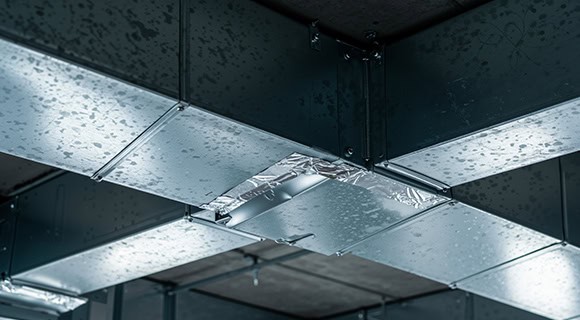
Cold HVAC Ductwork

what problems mimic roof leaks hvac ductwork

Air conditioning ductwork can become considerably cooler than surrounding attic air. When humid air contacts inadequately insulated ducts, condensation may form along exterior surfaces.

Eventually, droplets can fall onto insulation or framing. Moisture may then travel and stain drywall.

Attic-Based HVAC Compressor Units

what problems mimic roof leaks hvac condensation

Some homes have HVAC equipment located within attic spaces. These installations require careful management of condensate.

Air conditioning systems naturally remove moisture from indoor air during normal operation. That moisture collects as condensate and normally drains through a dedicated system.

Problems can occur when:

  • A condensate drain becomes clogged
  • A drain pan develops damage
  • A condensate line disconnects
  • A drain line lacks proper slope
  • A pump malfunctions
  • Connections develop leaks
  • Insulation around cold components becomes inadequate

Water from HVAC equipment can spread across attic materials and eventually appear as a ceiling leak.

Bathroom Exhaust Fans

Bathroom exhaust fans should move humid indoor air outside rather than into an attic. If an exhaust duct terminates in an attic space, moisture can accumulate against cooler surfaces.

Condensation may then develop around roof decking, insulation, framing, or nearby ductwork.

Poor Attic Ventilation

what problems mimic roof leaks wet insulation

Attic ventilation helps remove heat and moisture. Inadequate airflow can allow humid air to remain trapped for extended periods.

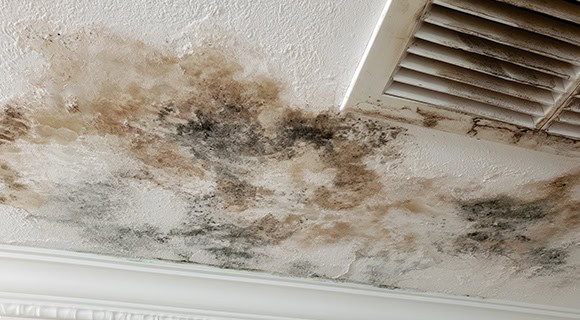
Persistent moisture may contribute to:

  • Damp insulation
  • Mold growth
  • Wood deterioration
  • Condensation
  • Reduced energy efficiency
  • Ceiling stains

A ventilation problem can cause water damage that looks like roofing failure.

Why Water Can Appear Far From Its Source

Water rarely travels in a perfectly vertical path.

Once moisture enters an attic or wall assembly, gravity and building materials can direct it along different routes. Water may follow a rafter, drip across insulation, move along framing, or travel beneath a roof deck before reaching drywall.

This explains why a homeowner might see a stain near one side of a room while the actual moisture source sits several feet away.

For example, rainwater entering around a roof penetration could travel along framing before appearing near a ceiling fixture. Conversely, condensation from an HVAC component could move toward a low point and create a stain that appears to indicate a roof leak.

This makes moisture tracing an important part of accurate diagnosis.

Other Problems That Can Mimic a Roof Leak

what problems mimic roof leaks flashing plumbing

Condensation represents only one possibility.

Plumbing Problems

A leaking supply line, drainpipe, or plumbing vent can release water into attic or ceiling spaces. Plumbing leaks often become more noticeable after using showers, sinks, toilets, or other fixtures.

Chimney Flashing

Homes with chimneys can develop moisture intrusion around the flashing, masonry, vent caps, or surrounding roof intersections. Water may enter during rainfall and travel before appearing indoors.

Skylights

Damaged seals, flashing, or surrounding roofing materials can allow water to enter around skylights. Interior stains may appear around the skylight or farther away.

Roof Penetrations

Plumbing vents, exhaust vents, satellite equipment, and other penetrations create potential entry points. Deteriorated seals can allow small amounts of water to enter during storms.

Gutters and Drainage

Clogged gutters can cause water to back up near roof edges. Overflow may reach fascia boards, soffits, walls, and interior spaces.

How Roofing Professionals Find the Actual Source

what problems mimic roof leaks roof attic hvac inspection

A professional roofing inspection should consider the entire moisture pathway rather than simply looking for damaged shingles.

New Image Roofing Atlanta examines areas such as:

  • Roofing materials
  • Flashing
  • Roof penetrations
  • Attic ventilation
  • Roof decking
  • Insulation
  • HVAC-related moisture
  • Drainage systems
  • Visible interior damage
  • Moisture patterns

This comprehensive approach helps distinguish a genuine roof failure from condensation or another building system problem.

New Image Roofing Atlanta states that its inspection process examines underlying infrastructure rather than focusing only on surface conditions. The company also provides reports with photos or videos to help property owners understand identified problems.

New Image Roofing Atlanta Roof Maintenance Contract

what problems mimic roof leaks maintenance strategies

Preventive maintenance can reduce the likelihood that a small moisture problem becomes an expensive repair.

A roof maintenance contract provides a structured approach to monitoring roofing conditions throughout a roof’s service life. Regular inspections can uncover problems involving flashing, sealants, drainage, ventilation, shingles, and other components before water reaches interior spaces.

A maintenance program may include:

  • Scheduled roof inspections
  • Flashing inspections
  • Sealant evaluation
  • Shingle condition assessments
  • Roof penetration inspections
  • Drainage evaluations
  • Ventilation assessments
  • Minor repair recommendations
  • Storm damage inspections
  • Documentation of roof conditions

Maintenance helps to identify developing moisture problems before stains appear inside living or working spaces.

Hire New Image Roofing Atlanta 404-680-0041

what problems mimic roof leaks best of buckhead

When water appears inside your home, determining its source should come before deciding what repair you need. A professional roofing contractor can evaluate roofing components while considering other possible moisture sources.

New Image Roofing Atlanta provides residential and commercial roofing services throughout Atlanta and the Metro Atlanta area. The company offers roof inspections, repairs, replacements, maintenance services, and emergency roofing assistance.

New Image Roofing Atlanta also earned recognition as a “Best of Buckhead” 2026 Winner in Roofing Services because of its commitment to quality workmanship, customer service, and professional roofing expertise after hundreds of nominations and thousands of votes.

This recognition adds another reason for Atlanta property owners to consider an experienced local roofing professional when unexplained moisture appears.

what problems mimic roof leaks bbb accredited roofer

New Image Roofing Atlanta is an accredited A+ Rated roofing contractor.

If you notice ceiling stains, attic moisture, unexplained dripping, or suspected roof damage, contact New Image Roofing Atlanta at 404-680-0041 to schedule an inspection.

What You Should Do When You Find a Water Stain

Do not immediately assume you need a new roof.

Start by documenting where you noticed moisture and when it appeared. Pay attention to weather conditions, HVAC operation, and household activities that occurred before the stain developed.

If possible, check your attic for visible moisture without disturbing insulation or walking across unsupported areas. Look for wet insulation, water droplets, staining, damaged wood, or moisture around HVAC equipment.

Then contact a qualified professional.

An experienced inspection can evaluate multiple potential sources and help determine whether you are dealing with a roofing problem, condensation, HVAC moisture, plumbing, ventilation, or another issue.

Water Stains Mimicking Roof Leaks

A ceiling stain can look like a roof leak even when your roofing system is not responsible. In this article, you discovered how condensation can collect around cold ductwork, attic-based HVAC compressor units, ventilation systems, and other components. You also learned how plumbing, skylights, chimneys, flashing, and drainage problems can create similar symptoms.

Having your property professionally inspected can help identify moisture sources before unnecessary repairs occur. Regular maintenance, proper attic ventilation, functional HVAC drainage, sound flashing, and roof repairs can protect your home from water damage.

Ignoring unexplained moisture can allow a minor problem to become more expensive. Persistent condensation can contribute to mold and material deterioration. Roof leaks can damage insulation, decking, framing, ceilings, and interior finishes. Addressing moisture promptly gives you a better chance of correcting the underlying problem before significant damage develops.

  New Image Roofing Atlanta
 

    2020 Howell Mill Rd NW Suite 232
    Atlanta, GA 30318
    (404) 680-0041
 

When you think about roof problems, you usually look up at the shingles, flashing, and gutters. Yet some of the most damaging roofing problems begin underneath those materials. An overheated, poorly ventilated, or moisture-filled attic can shorten roof life, increase energy costs, and contribute to leaks and structural damage. Understanding how your attic affects your roof can help you identify problems earlier, protect your investment, and avoid expensive repairs.

attic affects on roofing systems

New Image Roofing Atlanta gathered information about how attic temperature, ventilation, moisture, insulation, and air movement can influence roofing performance. This article provides a deeper look at the relationship between your attic and roofing system, including three common attic-related problems and practical solutions. Understanding this relationship can help homeowners make better maintenance decisions and recognize why a healthy roof requires more than quality shingles.

Key Takeaways for How Your Attic Impacts Your Roof

attic affects on roofing systems infographic

Your attic functions as a critical part of your home’s roofing system. It creates a transition zone between living space and outdoor conditions, making temperature and moisture control extremely important. Problems inside this space can gradually affect roofing materials even when shingles initially appear to be in good condition.

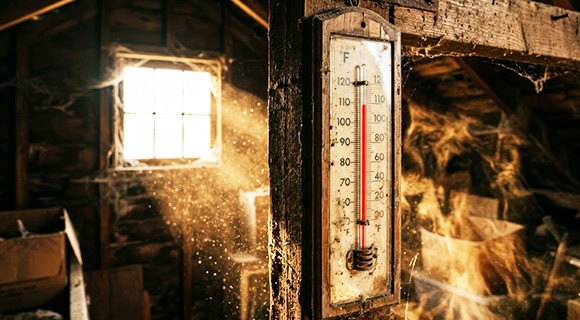
One significant concern involves excessive attic heat. During an Atlanta summer, temperatures inside an inadequately ventilated attic can rise dramatically. Excessive heat can accelerate aging in asphalt shingles, contribute to premature deterioration, and increase cooling demands throughout your home. Balanced intake and exhaust ventilation allows hot air to escape while bringing fresh air into the attic.

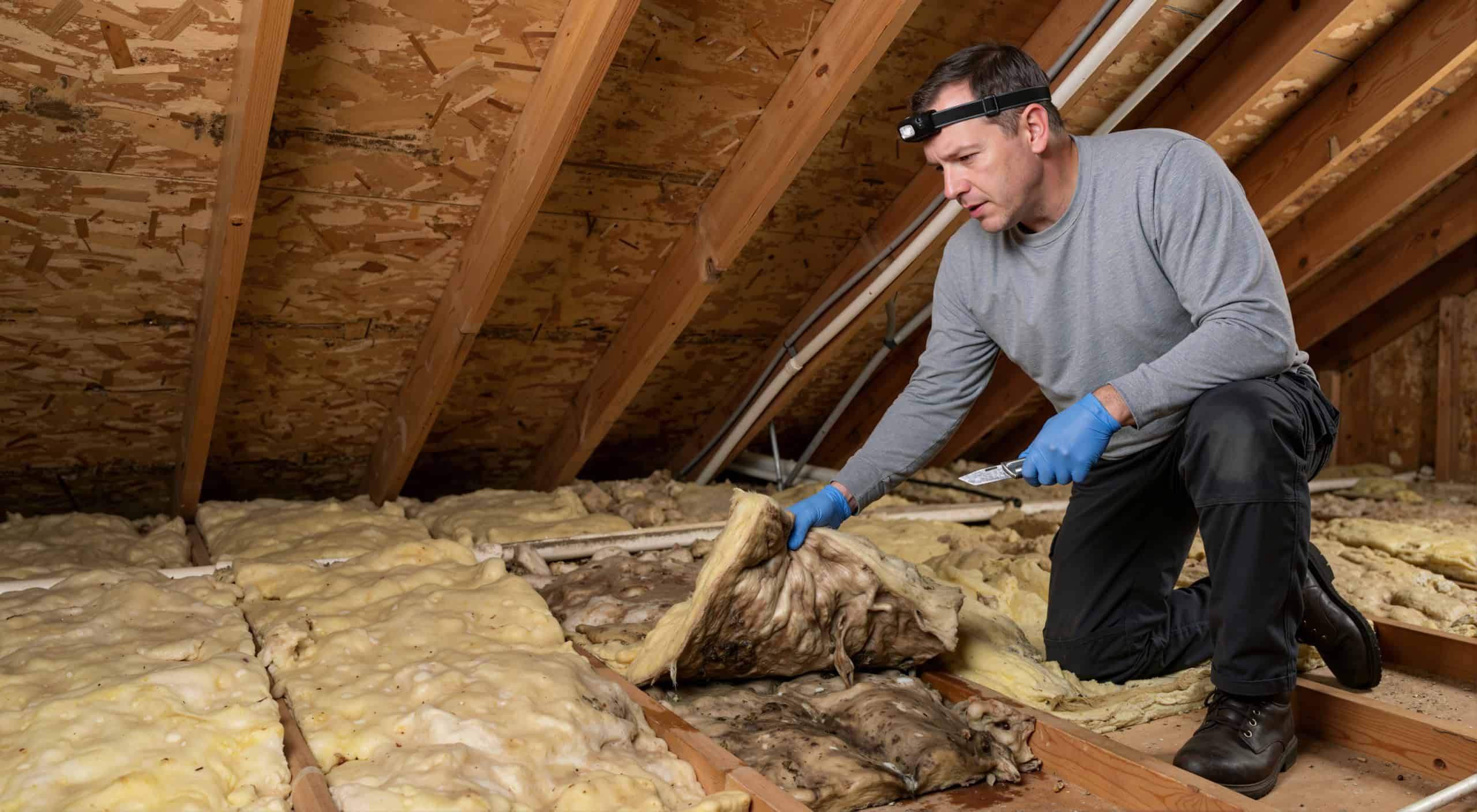
Moisture creates another significant concern. Warm indoor air can migrate into an attic and encounter cooler surfaces, producing condensation. This moisture can dampen insulation, encourage mold growth, rot wood components, and exacerbate roof deck decline. Proper air sealing, insulation, and ventilation work together to control moisture.

A third concern involves insulation and airflow. Insulation helps regulate indoor temperatures, but simply adding more insulation does not automatically solve attic problems. Poorly installed insulation can block soffit vents and restrict airflow. This can create stagnant areas where heat and moisture accumulate.

Homeowners should also pay attention to bathroom exhaust fans and ductwork. Exhaust fans should discharge outside rather than into attic space. Ductwork should remain properly connected and insulated. Improper installation can introduce warm, humid air into an environment where condensation can develop.

Regular professional inspections can identify these problems before they become major roofing issues. An inspection should evaluate roofing materials and attic conditions together rather than treating them as completely separate systems.

The most important lesson is simple: a healthy roof requires a healthy attic environment. Proper ventilation, moisture management, insulation, and routine inspections can help extend roof life and improve home efficiency.

How Attic Heat Can Damage Your Roof

attic affects on roofing systems excessive heat

Heat naturally accumulates in attic spaces because warm air rises. During summer, sunlight heats roofing materials while outdoor temperatures remain high. Without adequate ventilation, that heat becomes trapped.

Excessive heat can accelerate deterioration in roofing materials. Asphalt shingles may lose their protective qualities sooner, while adhesives and sealants can age more rapidly.

A hot attic also forces your air conditioning system to work harder. Heat transferred from attic space into living areas can increase indoor temperatures and energy consumption.

Solution: Improve Attic Ventilation

A properly designed ventilation system uses intake and exhaust airflow to move hot air outside.

Common components include:

  • Soffit vents
  • Ridge vents
  • Gable vents
  • Turbine vents
  • Powered attic ventilators

Ventilation should remain balanced. Adding an exhaust vent without sufficient intake airflow may not produce the desired results.

New Image Roofing Atlanta can evaluate existing ventilation and identify areas where airflow may be restricted or inadequate.

How Attic Moisture Can Damage Roofing Components

attic affects on roofing systems excessive moisture

Moisture represents another major attic concern. Humid indoor air can move into attic space through small gaps around light fixtures, plumbing penetrations, electrical wiring, and other openings.

When warm air contacts cooler roof decking or other surfaces, condensation can develop.

Over time, moisture may contribute to:

  • Mold growth
  • Wood rot
  • Damaged insulation
  • Rusted fasteners
  • Roof deck deterioration
  • Interior ceiling stains

Solution: Control Moisture at Its Source

Improving attic conditions may require more than ventilation.

Homeowners should ensure bathroom exhaust fans discharge outside, repair plumbing leaks, seal air gaps, and maintain appropriate insulation. Professional evaluation can determine whether moisture originates from indoor air, roofing leaks, HVAC systems, or another source.

How Poor Insulation Can Affect Your Roof

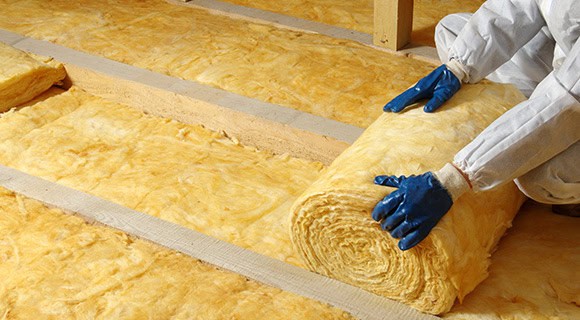
attic affects on roofing systems insulation installation

Insulation and ventilation work together. Insulation slows heat transfer between living areas and attic space, while ventilation manages heat and moisture within attic space.

Improper insulation can create several problems.

Too little insulation allows excessive heat transfer into living areas. Too much insulation installed incorrectly can obstruct soffit vents and restrict airflow.

Solution: Create a Balanced Attic System

A professional evaluation should consider insulation depth, ventilation pathways, air sealing, and roof design together.

Maintaining open airflow near soffit vents allows fresh air to enter while exhaust ventilation removes hot, humid air.

Three Common Attic Problems and Their Solutions

Problem 1: Excessive Heat

Warning signs: High attic temperatures, rising cooling bills, prematurely aging shingles, and uncomfortable upper rooms.

Solution: Evaluate ventilation, soffit intake, ridge or exhaust ventilation, and insulation. Correcting airflow can help reduce heat accumulation and improve roof performance.

Problem 2: Condensation

Warning signs: Damp insulation, water droplets, musty odors, mold growth, or staining on roof decking.

Solution: Identify the moisture source first. Improve ventilation, seal air leaks, correct bathroom exhaust routing, repair plumbing problems, and address HVAC-related moisture when necessary.

Problem 3: Blocked Ventilation

Warning signs: Little airflow near soffits, excessive attic heat, moisture accumulation, or deteriorating insulation.

Solution: Inspect soffit vents and ventilation pathways for insulation, debris, or other obstructions. A roofing professional can determine whether your ventilation design provides adequate intake and exhaust capacity.

Why Attic Inspections Matter

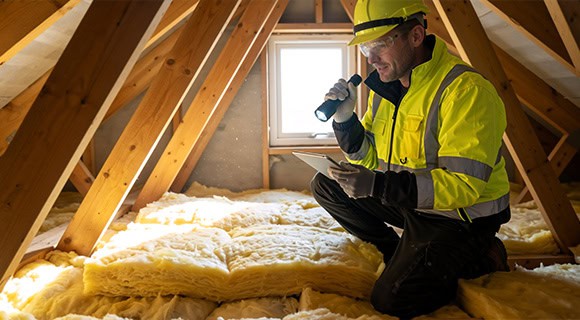
attic affects on roofing systems professional inspection

A roof inspection that ignores attic conditions may miss important warning signs.

Roofing professionals can inspect both exterior and interior components to identify connections between attic conditions and roof performance.

An inspection may evaluate:

  • Roof decking
  • Shingles
  • Flashing
  • Ventilation
  • Insulation
  • Moisture
  • Attic framing
  • Roof penetrations
  • Signs of condensation
  • Evidence of previous leaks

This broader perspective helps determine whether a roofing problem originates outside, inside, or from an interaction between both environments.

New Image Roofing Atlanta Roof Maintenance Contract

attic affects on roofing systems maintenance solutions

Preventive maintenance can help homeowners address attic and roofing concerns before significant damage develops.

A roof maintenance contract from New Image Roofing Atlanta provides a structured approach to monitoring roof condition and identifying potential problems. Regular inspections can reveal deteriorating shingles, damaged flashing, blocked drainage, ventilation deficiencies, moisture accumulation, and other conditions that may shorten roof life.

A maintenance program may include:

  • Scheduled roof inspections
  • Attic condition assessments
  • Ventilation evaluations
  • Flashing inspections
  • Roof penetration inspections
  • Moisture assessments
  • Shingle evaluations
  • Drainage evaluations
  • Preventive repair recommendations
  • Storm damage inspections

Regular maintenance can also establish a documented history for your roofing system, making it easier to recognize changes over time.

Hire New Image Roofing Atlanta 404-680-0041

attic affects on roofing systems best of buckhead

New Image Roofing Atlanta provides residential and commercial roofing services throughout Atlanta and surrounding communities. The company understands that successful roofing requires attention to both exterior materials and conditions inside attic space.

Whether you need a roof inspection, repair, replacement, maintenance program, or evaluation following severe weather, professional assistance can help determine what your property actually needs.

New Image Roofing Atlanta was chosen as a “Best of Buckhead” 2026 Winner in Roofing Services because of its commitment to quality workmanship, customer service, and professional roofing expertise.

attic affects on roofing systems bbb accredited roofer

New Image Roofing Atlanta is an accredited A+ Rated roofing contractor.

When attic conditions or roofing problems concern you, contact New Image Roofing Atlanta at 404-680-0041 to schedule an inspection and discuss your roofing needs.

Attic Influence on Roof Health

Your attic plays a much larger role in roof performance than many homeowners realize. Throughout this article, you discovered how excessive heat, moisture, poor insulation, and restricted ventilation can affect roofing materials. You also learned three common attic problems and practical solutions involving ventilation, moisture control, insulation, and professional inspections.

Maintaining a healthy attic can help extend roof life, improve energy efficiency, reduce moisture-related damage, and provide greater confidence in your home’s protection. Regular inspections and preventive maintenance allow potential problems to be addressed before becoming expensive repairs.

Ignoring attic conditions can produce the opposite result. Excessive heat may accelerate roof deterioration, while trapped moisture can contribute to mold, wood rot, damaged insulation, and issues with the roof deck. Restricted ventilation can compound these issues and potentially shorten roof life. Addressing attic conditions early provides a much better opportunity to protect your roof and your home.

  New Image Roofing Atlanta
 

    2020 Howell Mill Rd NW Suite 232
    Atlanta, GA 30318
    (404) 680-0041